Which VPN is Best for No-Log Policy A Deep Dive
Understand the importance of a no-log policy. We review VPNs with audited no-log claims to ensure your online activities remain private.
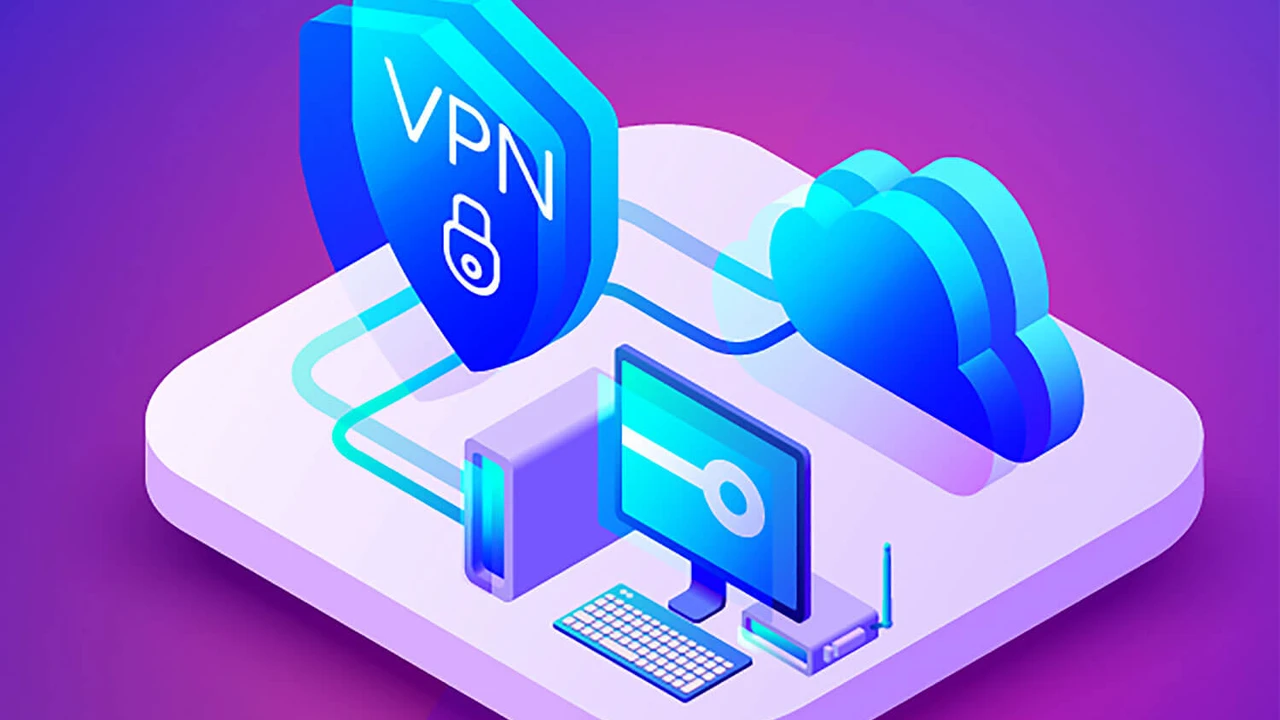
Understand the importance of a no-log policy. We review VPNs with audited no-log claims to ensure your online activities remain private.
Which VPN is Best for No-Log Policy A Deep Dive
When you're looking for a VPN, you're probably thinking about privacy. And when it comes to privacy, few things are as crucial as a solid no-log policy. But what exactly does 'no-log' mean, and how can you be sure a VPN provider is actually sticking to it? It's a bit of a minefield out there, with many VPNs claiming to be 'no-log' but not always delivering. This deep dive will help you navigate the complexities, understand what to look for, and recommend some top-tier VPNs that truly walk the talk when it comes to keeping your online activities private.
Understanding VPN Logging Policies What Data Do VPNs Collect
First off, let's clarify what we mean by 'logging.' When you connect to the internet, your Internet Service Provider (ISP) can see a lot of your activity. A VPN is supposed to create an encrypted tunnel, hiding your online actions from your ISP and other third parties. However, the VPN provider itself could potentially see and log your data. This is where a no-log policy comes in.
There are generally two types of logs VPNs might keep:
- Connection Logs: These typically include timestamps of when you connect and disconnect, the amount of data transferred, and sometimes even your original IP address or the IP address assigned to you by the VPN. While some VPNs argue these are necessary for network maintenance or troubleshooting, they can still be used to identify users, especially if combined with other data.
- Activity Logs (or Usage Logs): These are the really problematic ones. Activity logs record what you do online – which websites you visit, what files you download, what services you use. A true no-log VPN absolutely should not keep these. If a VPN logs your activity, it defeats the entire purpose of using a VPN for privacy.
A truly trustworthy no-log VPN will explicitly state that it does not collect any data that could be used to identify you or your online activities. This means no IP addresses, no browsing history, no traffic destinations, and no DNS queries.
Why a No-Log Policy is Paramount for Your Online Privacy and Anonymity
So, why is a no-log policy such a big deal? Imagine this: you're using a VPN to protect your privacy, but the VPN itself is keeping detailed records of everything you do. If that VPN provider is ever compelled by law enforcement, hacked, or simply decides to sell your data, your privacy is gone. A no-log policy is your primary defense against this scenario.
Here's why it's paramount:
- Protection Against Government Requests: Governments and law enforcement agencies can issue subpoenas or warrants demanding user data from VPN providers. If a VPN has no logs, it literally has nothing to hand over.
- Defense Against Data Breaches: No company is 100% immune to hacking. If a VPN server is breached, and they don't store any identifiable logs, there's nothing for hackers to steal that could compromise your privacy.
- Preventing Data Sales: Some less reputable VPNs might collect your data and sell it to advertisers or other third parties. A strict no-log policy prevents this from happening.
- Maintaining Anonymity: For those who require a high degree of anonymity, a no-log policy is non-negotiable. It ensures that your online actions cannot be traced back to you.
It's not just about what they say; it's about what they can't say because they don't have the data in the first place.
Audited No-Log Policies The Gold Standard for VPN Trustworthiness
Anyone can claim to have a no-log policy. The internet is full of promises. But how do you verify these claims? This is where independent audits come in. An audited no-log policy is the gold standard because it means a third-party cybersecurity firm has thoroughly examined the VPN provider's systems, servers, and policies to confirm that they genuinely do not log user data.
What an audit typically involves:
- Code Review: Examining the VPN's software and server configurations to ensure no logging mechanisms are in place.
- Infrastructure Inspection: Physically or virtually inspecting the servers to verify data storage practices.
- Policy Review: Scrutinizing the company's internal policies and procedures related to data handling.
- Interviews: Speaking with staff members to understand their data management practices.
When a VPN proudly displays an audit report from a reputable firm like PwC, Deloitte, or Cure53, it adds a significant layer of trust. It's a tangible piece of evidence that their no-log claims aren't just marketing fluff.
Jurisdiction Matters Where a VPN is Based and Its Impact on Logging
Another critical factor often overlooked is the VPN provider's jurisdiction. The country where a VPN company is legally registered can significantly impact its ability to maintain a no-log policy, regardless of its intentions. Some countries have mandatory data retention laws that could force a VPN to log user data, even if they'd prefer not to.
Look for VPNs based in privacy-friendly jurisdictions, often outside of the '5 Eyes, 9 Eyes, and 14 Eyes' intelligence-sharing alliances. Countries like Panama, the British Virgin Islands, and Switzerland are often cited as good examples because they generally have strong privacy laws and no mandatory data retention requirements for VPNs.
Conversely, VPNs based in countries like the US, UK, Canada, Australia, and New Zealand (5 Eyes) might face greater pressure to log data, even if they claim a no-log policy. While some VPNs in these regions still manage to uphold their no-log promises through clever legal structures and technical implementations, it's an extra layer of scrutiny you should apply.
Top VPNs with Proven No-Log Policies and Audited Claims for Ultimate Privacy
Alright, let's get to the recommendations. These VPNs have not only strong no-log policies but have also backed them up with independent audits, making them excellent choices for privacy-conscious users.
ExpressVPN A Leader in Audited No-Log Assurance and Speed
ExpressVPN is consistently at the top of many VPN recommendation lists, and for good reason. They are based in the British Virgin Islands, a privacy-friendly jurisdiction with no mandatory data retention laws. Their no-log policy is crystal clear: they do not collect activity logs or connection logs that could identify you. This includes no logging of your IP address, DNS queries, browsing history, or traffic destination.
Audits: ExpressVPN has undergone multiple independent audits of its no-log policy by reputable firms like PwC. These audits have consistently confirmed their claims, providing strong evidence of their commitment to user privacy. They also had their TrustedServer technology (RAM-only servers) audited, which further enhances privacy by ensuring no data is ever written to hard drives.
Key Features for Privacy:
- TrustedServer Technology: All servers run on RAM, meaning all data is wiped with every reboot, making it impossible to store logs.
- Strong Encryption: AES-256 encryption, OpenVPN, and their proprietary Lightway protocol.
- Network Lock (Kill Switch): Prevents data leaks if the VPN connection drops.
- DNS Leak Protection: Uses its own private, encrypted DNS on every server.
Use Cases: Ideal for anyone prioritizing privacy, streaming geo-restricted content, secure torrenting, and bypassing censorship. Their speed makes them excellent for 4K streaming and online gaming.
Pricing: ExpressVPN is on the higher end of the price spectrum, typically starting around $6.67/month for a 12-month plan (often with extra free months). They offer a 30-day money-back guarantee.
NordVPN Robust Security and Audited No-Log Policy from Panama
NordVPN, based in Panama, is another powerhouse in the VPN space, known for its strong security features and commitment to privacy. Panama is an excellent jurisdiction for a VPN, as it has no mandatory data retention laws.
Audits: NordVPN has also subjected its no-log policy to independent audits by PwC and Deloitte. These audits have verified that NordVPN adheres to its strict no-logging claims, providing users with peace of mind that their online activities are not being recorded.
Key Features for Privacy:
- Double VPN (Multi-Hop): Routes your traffic through two VPN servers for an extra layer of encryption.
- Threat Protection: Blocks ads, trackers, and malware.
- Obfuscated Servers: Helps bypass strict censorship in countries like China.
- Kill Switch: Essential for preventing accidental data exposure.
- NordLynx Protocol: Built around WireGuard, offering excellent speed and security.
Use Cases: Excellent for users who need enhanced security, bypassing censorship, secure torrenting, and accessing a wide range of streaming services. Their large server network is a plus for global access.
Pricing: NordVPN offers competitive pricing, often around $3.99/month for a 2-year plan. They also provide a 30-day money-back guarantee.
Surfshark Unlimited Devices and Audited No-Log Policy
Surfshark, based in the Netherlands, has quickly risen to prominence, offering a compelling package of features, affordability, and a strong commitment to privacy. While the Netherlands is part of the 9 Eyes alliance, Surfshark has taken significant steps to ensure its no-log policy is robust and verifiable.
Audits: Surfshark has had its no-log policy audited by Cure53, a respected German cybersecurity firm. The audit confirmed that Surfshark's infrastructure and practices align with its no-log claims, giving users confidence in their privacy protection.
Key Features for Privacy:
- Unlimited Simultaneous Connections: Protect all your devices and share with family.
- CleanWeb: Blocks ads, trackers, and malware.
- Camouflage Mode (Obfuscation): Hides your VPN usage from your ISP.
- NoBorders Mode: Helps bypass geo-restrictions and censorship.
- RAM-only Servers: Similar to ExpressVPN, all servers run on RAM, enhancing privacy.
Use Cases: Perfect for large families or individuals with many devices, budget-conscious users who still demand strong privacy, and those looking to stream or torrent securely.
Pricing: Surfshark is one of the most affordable premium VPNs, often available for as low as $2.49/month for a 2-year plan. They also come with a 30-day money-back guarantee.
Private Internet Access PIA A Long-Standing No-Log Champion
Private Internet Access (PIA) has been a long-standing player in the VPN market, known for its strong privacy stance and extensive server network. While based in the US (a 5 Eyes country), PIA has a proven track record of not logging user data, which has been tested in court multiple times.
Audits: PIA has undergone an independent audit of its no-log policy by Deloitte, which confirmed that their servers and systems are configured not to collect or store any identifiable user data. This audit, combined with their court-proven no-log claims, makes them a highly trustworthy option.
Key Features for Privacy:
- Court-Proven No-Logs: PIA has been subpoenaed multiple times and has consistently demonstrated they have no data to provide.
- Advanced Kill Switch: Prevents IP leaks even during unexpected disconnections.
- MACE: Blocks ads, trackers, and malicious websites.
- Customizable Encryption: Allows users to choose their encryption level (AES-128 or AES-256).
- Open Source Clients: Their client software is open source, allowing for community scrutiny.
Use Cases: Ideal for users who value transparency, advanced customization, and a VPN with a proven track record in real-world scenarios. Great for torrenting and general privacy.
Pricing: PIA is very budget-friendly, often available for around $2.03/month for a 3-year plan. They also offer a 30-day money-back guarantee.
How to Verify a VPNs No-Log Claims Beyond the Audit Report
While independent audits are fantastic, there are other ways to assess a VPN's commitment to a no-log policy. Think of it as doing your own due diligence.
- Read the Privacy Policy Carefully: Don't just skim it. Look for specific language about what data they collect and, more importantly, what they explicitly state they don't collect. Be wary of vague statements.
- Check Their Jurisdiction: As discussed, a privacy-friendly jurisdiction is a good sign.
- Look for Transparency Reports: Some VPNs publish transparency reports detailing any requests for user data they've received and how they responded (ideally, by stating they have no data).
- RAM-Only Servers: VPNs that run their servers entirely on RAM (like ExpressVPN and Surfshark) are inherently more secure against logging, as data is wiped with every reboot.
- Open-Source Software: If a VPN's client software is open source, it allows the community to inspect the code for any hidden logging mechanisms.
- Community Reputation: What do long-term users and privacy advocates say about the VPN? While not definitive, a consistent positive reputation over many years can be a good indicator.
- Past Incidents: Has the VPN ever been caught logging data when they claimed not to? A clean history is crucial.
Common Misconceptions About No-Log VPNs What to Watch Out For
The term 'no-log' can be a bit misleading, and some VPNs exploit this. Here are a few common misconceptions and things to watch out for:
- 'No-Log' Doesn't Mean 'No Data': Even a strict no-log VPN will collect some minimal data for operational purposes, like your email address for account creation or payment information. The key is that this data should not be linked to your online activity.
- Free VPNs and No-Logs: Be extremely skeptical of free VPNs claiming a no-log policy. Running a VPN service is expensive. If they're not charging you, they're likely making money by logging and selling your data, or by injecting ads.
- Marketing Hype vs. Reality: Many VPNs use 'no-log' as a buzzword without truly adhering to it. Always look for evidence beyond just the claim itself.
- Connection Logs vs. Activity Logs: Some VPNs might claim 'no activity logs' but still keep connection logs. While less severe than activity logs, connection logs can still be problematic for privacy. A truly no-log VPN should avoid both.
The Importance of a Kill Switch and DNS Leak Protection in a No-Log Setup
Even with a perfect no-log policy, your privacy can still be compromised if your VPN connection drops unexpectedly. This is where a kill switch and DNS leak protection become vital components of a truly private setup.
- Kill Switch: A kill switch is a feature that automatically disconnects your device from the internet if your VPN connection fails. This prevents your real IP address and unencrypted traffic from being exposed to your ISP or other third parties. It's a non-negotiable feature for anyone serious about privacy.
- DNS Leak Protection: When you type a website address, your device sends a request to a DNS server to translate that address into an IP address. If your VPN isn't properly configured, these DNS requests can sometimes 'leak' outside the encrypted tunnel, revealing your browsing activity to your ISP. Robust DNS leak protection ensures all your DNS requests are routed through the VPN's encrypted tunnel.
The VPNs recommended above all include these essential features, ensuring that even if the unexpected happens, your privacy remains intact.
Real-World Scenarios Where a No-Log VPN is Essential for Your Digital Freedom
A no-log VPN isn't just for the super-paranoid; it's a crucial tool for digital freedom in many real-world scenarios:
- Journalists and Activists: Protecting sources and communications from surveillance.
- Whistleblowers: Securely sharing sensitive information without fear of identification.
- Torrenting: Downloading files without your ISP or copyright holders tracking your activity.
- Bypassing Censorship: Accessing blocked content in restrictive countries without leaving a trace.
- Secure Online Banking: Ensuring financial transactions are private and secure, especially on public Wi-Fi.
- General Web Browsing: Preventing your ISP, advertisers, and other third parties from building a profile of your online habits.
In an age where data is constantly being collected and analyzed, a no-log VPN acts as a powerful shield, giving you back control over your digital footprint.
Final Thoughts on Choosing Your No-Log VPN for Uncompromised Privacy
Choosing the best VPN for a no-log policy boils down to trust and verification. Don't just take a VPN's word for it. Look for independent audits, a privacy-friendly jurisdiction, and a clear, unambiguous privacy policy. The VPNs we've highlighted – ExpressVPN, NordVPN, Surfshark, and Private Internet Access – have all demonstrated a strong commitment to user privacy through their audited no-log policies and robust security features. While pricing varies, they all offer excellent value for the peace of mind they provide.
Ultimately, your online privacy is in your hands. By understanding what a no-log policy truly entails and choosing a VPN that genuinely adheres to it, you can significantly enhance your digital security and freedom. Stay safe out there!
:max_bytes(150000):strip_icc()/277019-baked-pork-chops-with-cream-of-mushroom-soup-DDMFS-beauty-4x3-BG-7505-5762b731cf30447d9cbbbbbf387beafa.jpg)