The True Cost of a Free VPN Hidden Downsides Revealed
Uncover the hidden costs and downsides of using free VPNs, including data logging, limited features, and potential security risks.

Uncover the hidden costs and downsides of using free VPNs, including data logging, limited features, and potential security risks. Many people are drawn to the allure of 'free' when it comes to online services, and VPNs are no exception. The promise of enhanced privacy and security without spending a dime sounds like a dream come true. However, as the old adage goes, if something is free, you're probably the product. This holds particularly true for free VPN services, which often come with a myriad of hidden costs and significant downsides that can compromise the very privacy and security they claim to offer. In this comprehensive guide, we'll pull back the curtain on free VPNs, revealing the true price you might pay for using them.
The True Cost of a Free VPN Hidden Downsides Revealed
The internet is a vast and sometimes dangerous place. From government surveillance to cybercriminals, your online activities are constantly at risk. A Virtual Private Network (VPN) is often touted as the solution, encrypting your data and masking your IP address. While premium VPNs offer robust protection, free VPNs often fall short, introducing new risks rather than mitigating existing ones. Let's dive into the hidden dangers.
Understanding the Business Model of Free VPNs How They Make Money
If a service is free, how does it sustain itself? This is the fundamental question to ask when considering any free VPN. Unlike paid VPNs that rely on subscription fees, free VPNs must find alternative revenue streams. These methods often directly conflict with your privacy and security interests.
Data Collection and Selling Your Information
One of the most common ways free VPNs generate revenue is by collecting and selling user data. This can include your browsing history, search queries, IP address, device information, and even personal details if you've provided them. This data is then sold to third-party advertisers, data brokers, or other entities. The irony here is stark: you're using a VPN for privacy, only for the VPN provider itself to become a major collector and seller of your private information. This completely undermines the core purpose of using a VPN.
Injecting Ads and Malware
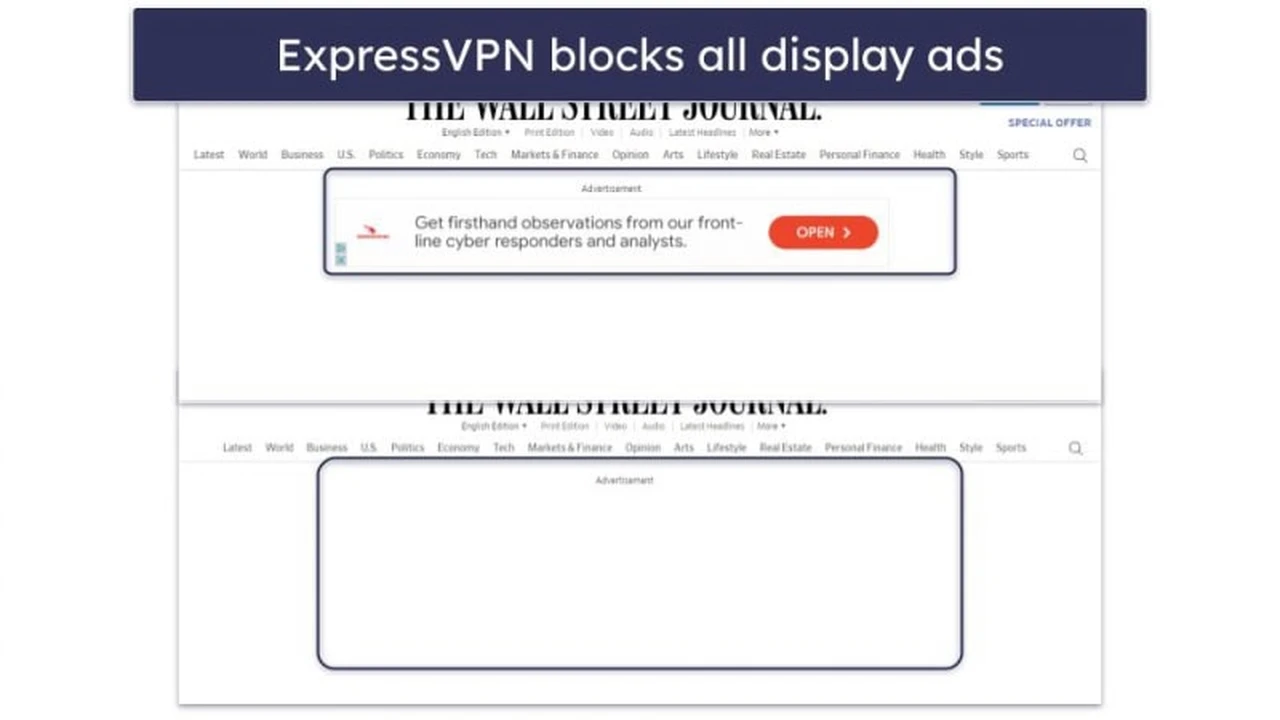
Another prevalent tactic is injecting advertisements directly into your browsing experience. These aren't just benign banner ads; some free VPNs have been found to inject intrusive pop-ups, redirect your browser, or even display ads that contain malware. This not only degrades your user experience but also exposes your device to potential infections, phishing attempts, and other cyber threats. Some free VPNs have even been caught bundling their software with adware or spyware, installing unwanted programs on your device without your explicit consent.
Bandwidth Selling and Peer-to-Peer Networks
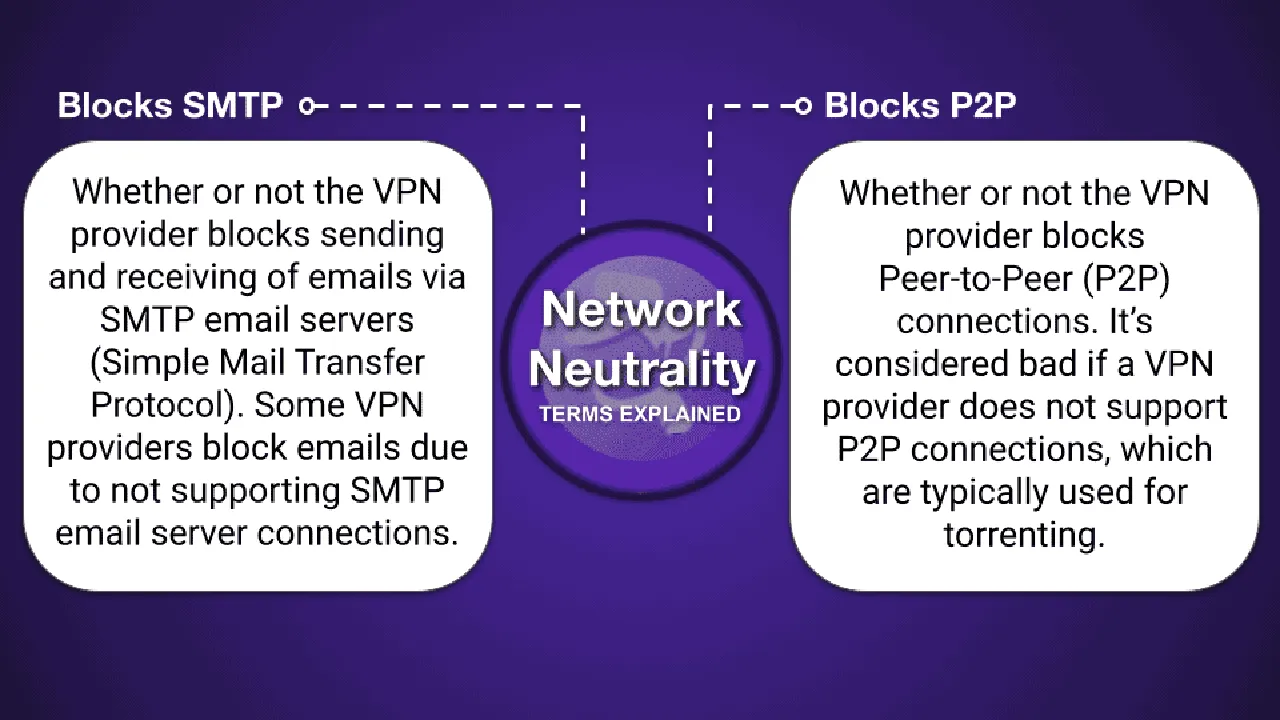
Some free VPNs operate on a peer-to-peer (P2P) model, where they essentially turn your device into an exit node for other users' traffic. This means your internet connection and IP address could be used by strangers, potentially for illicit activities. While this might seem like a clever way to offer a free service, it can significantly slow down your internet speed, consume your bandwidth, and even expose you to legal liabilities if someone uses your IP address for illegal downloads or other unlawful acts. Hola VPN, a well-known free service, faced significant backlash for this practice.
Limited Features and Upselling to Premium Services
Many free VPNs are essentially stripped-down versions of their paid counterparts. They offer limited server locations, slower speeds, data caps, and a lack of advanced security features. The goal here is to give you a taste of what a VPN can do, hoping you'll eventually upgrade to their paid service. While this isn't inherently malicious, it means you're not getting the full protection or performance you might expect from a VPN, leaving you vulnerable in many situations.
Security Risks and Vulnerabilities of Free VPNs Protecting Your Digital Life
Beyond their questionable business models, free VPNs often pose significant security risks due to weak encryption, outdated protocols, and a lack of proper infrastructure. This can leave your data exposed and your online activities easily traceable.
Weak Encryption and Outdated Protocols
Many free VPNs use weak or outdated encryption standards, making your data vulnerable to interception and decryption by sophisticated attackers. While premium VPNs typically employ AES-256 encryption, often referred to as 'military-grade,' free services might use weaker ciphers or even no encryption at all. Similarly, they might rely on older, less secure protocols like PPTP, which are known to have significant vulnerabilities. This means your sensitive information, such as passwords, banking details, and personal communications, could be easily compromised.
DNS Leaks and IP Leaks Exposing Your Identity
A primary function of a VPN is to prevent DNS and IP leaks, which can reveal your true IP address and browsing activity to your Internet Service Provider (ISP) or other third parties. Unfortunately, many free VPNs are prone to these leaks due to poor configuration or lack of proper implementation. This means that even if you think your connection is secure, your real identity and online behavior could still be exposed, defeating the entire purpose of using a VPN for anonymity.
Lack of No-Log Policies and Data Retention
A strict no-log policy is a cornerstone of a trustworthy VPN. It means the provider does not record your online activities, connection timestamps, or any other data that could be used to identify you. Free VPNs, however, rarely adhere to such policies. As discussed, many actively log and sell your data. Even those that claim a 'no-log' policy often have vague terms of service that allow for extensive data collection. Without independent audits or a proven track record, these claims are often just marketing fluff.
Malware and Viruses A Direct Threat
As mentioned earlier, some free VPN apps have been found to contain malware, adware, or spyware. Installing such an app on your device can lead to a host of problems, including data theft, system slowdowns, unwanted advertisements, and even ransomware attacks. A study by CSIRO found that a significant percentage of free VPN apps contained malware, highlighting the severe risks involved.
Performance Issues and User Experience Frustration and Limitations
Even if you're willing to overlook the privacy and security concerns, free VPNs often deliver a subpar user experience due to severe performance limitations.
Slow Speeds and Bandwidth Throttling
Free VPNs typically offer significantly slower speeds compared to their paid counterparts. This is often due to overcrowded servers, limited bandwidth allocation, and the use of less efficient infrastructure. This can make streaming, gaming, and even basic browsing a frustrating experience, with constant buffering, lag, and slow loading times. Many free services also implement bandwidth throttling, further limiting your speed after you've used a certain amount of data.
Limited Server Locations and Overcrowding
Free VPNs usually have a very limited number of server locations, often concentrated in popular regions. This means you might not be able to access geo-restricted content from specific countries, and the available servers are often overcrowded. Overcrowding leads to slower speeds and less reliable connections, as too many users are trying to share limited resources.
Data Caps and Usage Restrictions
Most free VPNs impose strict data caps, limiting the amount of data you can use per day or month. Once you hit this limit, your VPN connection will either be cut off or severely throttled. This makes them unsuitable for activities that consume a lot of data, such as streaming high-definition video, downloading large files, or extensive online gaming. These caps are often designed to push users towards their paid plans.
Poor Customer Support and Lack of Features
Free VPNs rarely offer comprehensive customer support. If you encounter issues, you're often left to troubleshoot on your own, relying on sparse FAQs or community forums. They also lack advanced features like split tunneling, kill switches, dedicated IP addresses, or specialized servers for streaming or torrenting, which are standard in premium services.
Specific Product Examples and Their Downsides A Closer Look
Let's examine some popular free VPNs and the common issues associated with them.
Hola VPN A Peer-to-Peer Risk
Hola VPN is a well-known free service that operates on a peer-to-peer network. As mentioned, this means your IP address and bandwidth can be used by other Hola users. This poses significant security and legal risks, as you could be held responsible for others' online actions. While it offers access to geo-restricted content, the privacy trade-off is substantial.
Betternet Data Logging and Ads
Betternet, a popular free VPN, has faced criticism for its extensive data logging practices and the aggressive injection of ads. While it offers a seemingly simple interface, its privacy policy has been scrutinized for allowing the collection and sharing of user data with third parties. Users have also reported frequent disconnections and slow speeds.
Hotspot Shield Free Version Limited and Ad-Supported
Hotspot Shield offers a free version that is heavily restricted. It typically limits you to a single server location (usually in the US), imposes daily data caps, and displays frequent advertisements. While the paid version is a reputable service, the free version is primarily a marketing tool to encourage upgrades, offering minimal privacy benefits.
Proton VPN Free Version A More Reputable Option with Limitations
Proton VPN offers one of the more reputable free VPN services. It stands out because it doesn't log user data, doesn't inject ads, and doesn't impose data caps (though speeds can be throttled). However, its free version is limited to servers in only three countries (US, Netherlands, Japan) and offers slower speeds compared to its paid plans. While it's a better choice than many other free VPNs, it still has significant limitations in terms of performance and server choice.
Why Investing in a Paid VPN is Worth It The Value Proposition
Given the numerous downsides of free VPNs, investing in a reputable paid VPN service is almost always the better choice. The cost, often just a few dollars a month, provides a significant return in terms of privacy, security, and performance.
Robust Security and Privacy Features
Paid VPNs offer military-grade encryption (AES-256), a wide range of secure protocols (OpenVPN, WireGuard, IKEv2), and advanced features like kill switches, DNS leak protection, and split tunneling. They typically adhere to strict no-log policies, often backed by independent audits, ensuring your online activities remain private.
High Speeds and Unlimited Bandwidth
Premium VPNs provide fast, stable connections with unlimited bandwidth, allowing for seamless streaming, gaming, and downloading. They invest heavily in their server infrastructure, offering thousands of servers in numerous locations worldwide, reducing overcrowding and ensuring optimal performance.
Global Server Network and Geo-Unblocking
With a vast network of servers across the globe, paid VPNs can reliably unblock geo-restricted content from virtually anywhere. Whether you want to access Netflix libraries from different countries or bypass censorship, a paid VPN offers the flexibility and performance to do so.
Dedicated Customer Support and User-Friendly Apps
Reputable paid VPNs offer 24/7 customer support via live chat, email, and extensive knowledge bases. They also provide user-friendly apps for all major platforms (Windows, macOS, Android, iOS, Linux, routers), making setup and usage straightforward for everyone.
Recommended Paid VPNs for Optimal Privacy and Performance Making the Smart Choice
When it comes to choosing a paid VPN, several providers consistently rank high for their security, privacy, speed, and features. Here are a few top recommendations:
ExpressVPN A Premium All-Rounder
Features: ExpressVPN is renowned for its exceptional speed, robust security features (AES-256 encryption, Lightway protocol, kill switch, DNS leak protection), and a vast network of over 3,000 servers in 105 countries. It has a strict, independently audited no-log policy and is based in the British Virgin Islands, a privacy-friendly jurisdiction. It's excellent for streaming, torrenting, and general browsing.
Use Cases: Ideal for users who prioritize speed and reliability for streaming 4K content, online gaming, and secure browsing. Great for travelers needing access to global content and secure public Wi-Fi.
Pricing: Typically starts around $6.67/month for a 12-month plan, often with extra months free. They offer a 30-day money-back guarantee.
NordVPN Strong Security and Feature-Rich
Features: NordVPN offers a comprehensive suite of security features, including AES-256 encryption, NordLynx protocol (based on WireGuard), a kill switch, DNS leak protection, and unique features like Double VPN (multi-hop), Onion Over VPN, and Threat Protection (ad/malware blocker). It boasts over 6,000 servers in 61 countries and has an independently audited no-log policy. Based in Panama.
Use Cases: Excellent for security-conscious users, journalists, and anyone needing advanced protection against surveillance and cyber threats. Also great for streaming and torrenting due to its specialized servers.
Pricing: Often around $3.99/month for a 2-year plan. Comes with a 30-day money-back guarantee.
Surfshark Unlimited Devices and Budget-Friendly
Features: Surfshark stands out for allowing unlimited simultaneous connections, making it an excellent value for families or users with many devices. It offers AES-256 encryption, WireGuard protocol, a kill switch, CleanWeb (ad/malware blocker), and a NoBorders mode for bypassing censorship. It has over 3,200 servers in 100 countries and an audited no-log policy. Based in the Netherlands.
Use Cases: Perfect for budget-conscious users who need to protect many devices without compromising on features. Great for streaming and general privacy needs.
Pricing: Can be as low as $2.29/month for a 2-year plan. Includes a 30-day money-back guarantee.
CyberGhost User-Friendly and Streaming Optimized
Features: CyberGhost is known for its user-friendly interface and specialized servers optimized for streaming and torrenting. It offers AES-256 encryption, various protocols (OpenVPN, WireGuard, IKEv2), a kill switch, and a strict no-log policy. With over 11,000 servers in 100 countries, it has one of the largest server networks. Based in Romania.
Use Cases: Ideal for beginners and users primarily interested in streaming geo-restricted content or secure torrenting. Its intuitive apps make it easy to use.
Pricing: Often around $2.19/month for a 2-year plan, sometimes with extra months free. Offers a generous 45-day money-back guarantee.
Making an Informed Decision Your Online Safety Matters
While the idea of a free VPN is tempting, the reality is that these services often come with significant hidden costs in terms of your privacy, security, and overall online experience. From selling your data and injecting malware to offering weak encryption and slow speeds, free VPNs can do more harm than good.
Investing in a reputable paid VPN service is a small price to pay for robust protection, reliable performance, and true peace of mind. Consider your specific needs, compare the features and pricing of leading providers like ExpressVPN, NordVPN, Surfshark, and CyberGhost, and choose a service that genuinely prioritizes your digital safety. Your online privacy is too valuable to compromise for the sake of 'free.'
:max_bytes(150000):strip_icc()/277019-baked-pork-chops-with-cream-of-mushroom-soup-DDMFS-beauty-4x3-BG-7505-5762b731cf30447d9cbbbbbf387beafa.jpg)