The Best VPNs for Bypassing Firewalls and Censorship Securely
Access restricted content securely with these VPNs designed to bypass firewalls and censorship. Focus on obfuscated servers and strong encryption.

The Best VPNs for Bypassing Firewalls and Censorship Securely
Access restricted content securely with these VPNs designed to bypass firewalls and censorship. Focus on obfuscated servers and strong encryption. In today's interconnected world, it's frustrating to encounter digital roadblocks. Whether you're traveling, living in a region with strict internet regulations, or simply trying to access content that's geo-blocked, firewalls and censorship can be a real pain. But don't worry, there's a powerful tool at your disposal: a Virtual Private Network (VPN). A good VPN can help you bypass these restrictions, giving you back your internet freedom. But not all VPNs are created equal, especially when it comes to tackling sophisticated censorship. This article will dive deep into the world of VPNs specifically designed for bypassing firewalls and censorship securely, focusing on obfuscated servers and strong encryption. We'll look at what makes a VPN effective in these scenarios, compare some top contenders, discuss their features, pricing, and use cases, and help you choose the best one for your needs.
Understanding Firewalls and Internet Censorship How VPNs Help
Before we jump into specific VPN recommendations, let's quickly understand what we're up against. Firewalls are network security systems that monitor and control incoming and outgoing network traffic based on predetermined security rules. Governments, ISPs, and even workplaces use them to restrict access to certain websites, services, or types of content. Internet censorship, often implemented through firewalls, takes this a step further, aiming to control or suppress what information citizens can access online. This can range from blocking social media platforms and news sites to filtering search results.
So, how do VPNs help? A VPN works by creating an encrypted tunnel between your device and a remote server operated by the VPN provider. All your internet traffic then travels through this tunnel, making it unreadable to anyone trying to snoop on your connection, including your ISP or government agencies. When your traffic exits the VPN server, it appears to originate from the server's location, effectively masking your real IP address and geographical location. This is the fundamental way VPNs bypass geo-restrictions. However, for more advanced censorship, standard VPN encryption might not be enough. This is where features like obfuscation come into play.
The Power of Obfuscated Servers and Strong Encryption for Bypassing Restrictions
When governments or ISPs detect and block VPN traffic, they often do so by identifying the tell-tale signs of a VPN connection. This is where obfuscation becomes crucial. Obfuscated servers, also known as stealth servers or cloaked servers, are designed to disguise your VPN traffic as regular internet traffic. This makes it much harder for deep packet inspection (DPI) technologies, often used by censors, to detect and block your VPN connection. Think of it like wearing a disguise – your VPN traffic blends in with the crowd, making it less likely to be singled out and blocked.
Strong encryption is the other pillar of secure censorship bypass. While obfuscation helps you avoid detection, robust encryption ensures that even if your traffic is intercepted, it remains unreadable. We're talking about industry-standard protocols like AES-256, which is virtually uncrackable with current technology. Combined, obfuscation and strong encryption create a formidable defense against even the most sophisticated firewalls and censorship systems.
Key Features to Look for in a Censorship-Bypassing VPN
When choosing a VPN to bypass firewalls and censorship, keep an eye out for these essential features:
- Obfuscated Servers/Stealth Technology: This is non-negotiable for regions with heavy censorship. Ensure the VPN explicitly offers this feature.
- Strong Encryption: Look for AES-256 encryption, ideally with Perfect Forward Secrecy.
- No-Logs Policy: A strict no-logs policy means the VPN provider doesn't store any information about your online activities, protecting your privacy even if their servers are compromised. Independent audits of their no-logs policy are a huge plus.
- Kill Switch: An essential security feature that automatically disconnects your internet if the VPN connection drops, preventing your real IP address from being exposed.
- DNS Leak Protection: Ensures your DNS requests are routed through the VPN, preventing your ISP from seeing the websites you visit.
- Wide Server Network: A large number of servers in various locations increases your chances of finding an unblocked server and provides better speed.
- Fast Speeds: Bypassing censorship shouldn't mean sacrificing speed. Look for VPNs known for their performance.
- Reliable Customer Support: If you encounter issues, especially in a censored environment, responsive and knowledgeable customer support can be a lifesaver.
- Jurisdiction: The country where the VPN company is based matters. Look for VPNs operating in privacy-friendly jurisdictions outside of intelligence-sharing alliances (like the 5/9/14 Eyes).
Top VPNs for Bypassing Firewalls and Censorship Securely A Detailed Comparison
Now, let's get to the good stuff – specific VPN recommendations that excel at bypassing firewalls and censorship. We'll compare their features, use cases, and pricing to help you make an informed decision.
ExpressVPN The Gold Standard for Reliability and Speed
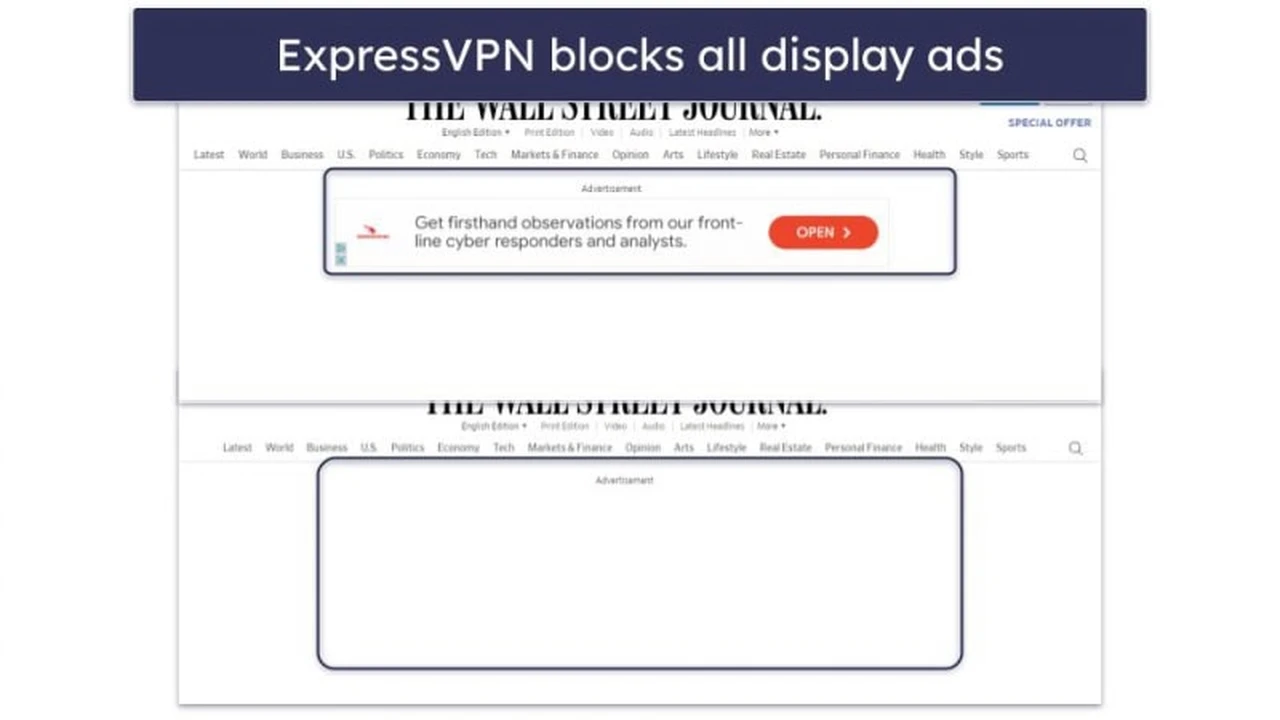
Overview: ExpressVPN is consistently ranked as one of the best VPNs overall, and for good reason. It's renowned for its exceptional speed, robust security features, and impressive ability to bypass geo-restrictions and censorship. While they don't explicitly market 'obfuscated servers' in the same way some others do, their proprietary Lightway protocol and smart server technology are highly effective at evading detection.
Key Features for Censorship Bypass:
- Lightway Protocol: ExpressVPN's custom-built VPN protocol is designed for speed, security, and efficiency, making it highly effective at bypassing blocks without significant performance drops. It's often able to fly under the radar of detection systems.
- TrustedServer Technology: All ExpressVPN servers run on RAM-disk, meaning all data is wiped with every reboot. This significantly enhances privacy and security, as there's no data to seize.
- Strong Encryption: Uses AES-256 encryption, a kill switch, and DNS leak protection.
- Vast Server Network: Over 3,000 servers in 105 countries, offering plenty of options to find an unblocked connection.
- Audited No-Logs Policy: Their no-logs policy has been independently audited, providing strong assurance of privacy.
- Jurisdiction: Based in the British Virgin Islands, a privacy-friendly jurisdiction.
Use Cases: Ideal for users in highly censored countries like China, Iran, or UAE, as well as for accessing a wide range of geo-restricted streaming services. Excellent for general browsing, streaming, and downloading where speed and reliability are paramount.
Pricing: ExpressVPN is on the pricier side, but many consider it worth the investment for its performance and reliability. A 12-month plan typically costs around $6.67/month, often with an additional 3 months free. They offer a 30-day money-back guarantee.
NordVPN The Feature-Rich Choice with Dedicated Obfuscated Servers
Overview: NordVPN is another industry giant, known for its strong security features, large server network, and competitive pricing. Crucially for our discussion, NordVPN explicitly offers 'Obfuscated Servers' designed to bypass strict internet censorship.
Key Features for Censorship Bypass:
- Obfuscated Servers: This is NordVPN's standout feature for censorship. When you connect to an obfuscated server, your VPN traffic is disguised as regular HTTPS traffic, making it incredibly difficult for firewalls to detect and block.
- NordLynx Protocol: Built around WireGuard, NordLynx offers excellent speeds without compromising security.
- Double VPN: Routes your traffic through two VPN servers for an extra layer of encryption and anonymity, though this can impact speed.
- Threat Protection: Blocks ads, trackers, and malicious websites.
- Audited No-Logs Policy: NordVPN has undergone multiple independent audits of its no-logs policy.
- Vast Server Network: Over 6,000 servers in 61 countries, including many optimized for specific tasks.
- Jurisdiction: Based in Panama, another privacy-friendly jurisdiction.
Use Cases: Highly recommended for users in countries with severe internet censorship. Also great for those who prioritize advanced security features and want a versatile VPN for all online activities, including streaming and torrenting.
Pricing: NordVPN offers various plans, with longer subscriptions providing the best value. A 2-year plan can cost as low as $3.79/month, often with extra months free. They also have a 30-day money-back guarantee.
Surfshark The Budget-Friendly Option with Unlimited Connections
Overview: Surfshark has quickly risen in popularity due to its excellent value, strong feature set, and unlimited simultaneous connections. It's a fantastic option for families or individuals with many devices, and it also performs well in bypassing censorship.
Key Features for Censorship Bypass:
- NoBorders Mode: This feature automatically activates when Surfshark detects network restrictions, helping you bypass firewalls and censorship. It essentially acts as an obfuscation technology.
- Camouflage Mode: Similar to NoBorders, this feature ensures your internet provider cannot tell you're using a VPN.
- CleanWeb: Blocks ads, trackers, and malware.
- Unlimited Simultaneous Connections: Connect as many devices as you want with a single subscription.
- Strong Encryption: Uses AES-256 encryption, a kill switch, and DNS leak protection.
- Audited No-Logs Policy: Surfshark's no-logs policy has been independently audited.
- Server Network: Over 3,200 servers in 100 countries.
- Jurisdiction: Based in the Netherlands, which is part of the 9 Eyes alliance, but their no-logs policy and RAM-only servers mitigate this concern.
Use Cases: Perfect for budget-conscious users who need to protect many devices and want a reliable solution for bypassing censorship and geo-restrictions. Great for streaming and general internet use.
Pricing: Surfshark offers some of the most competitive long-term pricing. A 2-year plan can be as low as $2.29/month, often with extra months free. They also provide a 30-day money-back guarantee.
Proton VPN The Privacy-Focused Choice with Secure Core
Overview: Proton VPN comes from the creators of Proton Mail, a highly respected secure email service. Their focus is squarely on privacy and security, offering advanced features like Secure Core and a transparent approach to their operations.
Key Features for Censorship Bypass:
- Stealth Protocol: Proton VPN's custom Stealth protocol is specifically designed to bypass censorship and VPN blocks by making VPN traffic indistinguishable from regular internet traffic.
- Secure Core Servers: Routes your traffic through multiple servers, including hardened servers in privacy-friendly countries like Switzerland and Iceland, before reaching your destination. This provides an extra layer of defense against sophisticated attacks.
- Strong Encryption: Uses AES-256 encryption, a kill switch, and DNS leak protection.
- Open Source and Audited: All their apps are open-source and have been independently audited, fostering transparency and trust.
- Strict No-Logs Policy: Based in Switzerland, a country with strong privacy laws, and they maintain a strict no-logs policy.
- Server Network: Over 4,500 servers in 91 countries.
Use Cases: Ideal for journalists, activists, or anyone in highly restrictive environments where privacy and security are paramount. Also a great choice for general users who prioritize a strong commitment to privacy.
Pricing: Proton VPN offers a free tier with limited features, which can be a good starting point. Their paid plans vary, with a 2-year 'Plus' plan costing around $4.99/month. They offer a 30-day money-back guarantee.
Private Internet Access (PIA) Extensive Server Network and Customization
Overview: Private Internet Access (PIA) is known for its massive server network, strong security features, and highly customizable client. It's a solid choice for bypassing censorship, especially for users who like to fine-tune their VPN settings.
Key Features for Censorship Bypass:
- Obfuscation (Shadowsocks Proxy): PIA offers an obfuscation feature through its Shadowsocks proxy, which can be enabled to help bypass VPN blocks in restrictive regions.
- MACE Feature: Blocks ads, trackers, and malware at the DNS level.
- Highly Customizable: Offers a wide range of settings, allowing users to choose encryption levels, protocols, and other advanced features.
- Strong Encryption: Uses AES-256 encryption, a kill switch, and DNS leak protection.
- Audited No-Logs Policy: PIA's no-logs policy has been proven in court multiple times and has undergone independent audits.
- Massive Server Network: Over 30,000 servers in 91 countries, providing unparalleled choice and reducing server congestion.
- Jurisdiction: Based in the USA, which is part of the 5 Eyes alliance. However, their proven no-logs policy helps mitigate this concern.
Use Cases: Excellent for users who need a vast selection of servers and appreciate the ability to customize their VPN experience. Good for bypassing censorship and accessing geo-restricted content, especially with its obfuscation options.
Pricing: PIA is very competitively priced, especially for longer subscriptions. A 3-year plan can be as low as $2.03/month, often with extra months free. They offer a 30-day money-back guarantee.
How to Maximize Your Chances of Bypassing Censorship
Even with the best VPN, there are a few tips and tricks you can employ to increase your success rate when facing strict censorship:
- Use Obfuscated Servers: Always enable your VPN's obfuscation feature (e.g., NordVPN's Obfuscated Servers, Surfshark's NoBorders, Proton VPN's Stealth, PIA's Shadowsocks). This is your primary weapon against detection.
- Try Different Protocols: If one protocol isn't working, switch to another. OpenVPN (TCP), WireGuard (or custom protocols like Lightway and NordLynx), and IKEv2 can behave differently under censorship. OpenVPN TCP is often more resilient in highly restricted networks due to its ability to use port 443, which is commonly used for HTTPS traffic.
- Connect to Nearby Servers: While you might want to connect to a server far away to access specific content, sometimes connecting to a server in a neighboring country with less strict censorship can be more effective.
- Change Server Locations: If a particular server isn't working, try another one in the same country or a different country. Censors often block specific IP addresses, so switching can help.
- Avoid Free VPNs: While tempting, free VPNs often lack the advanced features (like obfuscation), strong encryption, and server infrastructure needed to bypass sophisticated censorship. They also frequently have questionable logging policies and can even sell your data.
- Keep Your VPN Software Updated: VPN providers constantly update their software to counter new blocking methods. Ensure your app is always running the latest version.
- Use a Dedicated IP (if available and necessary): Some VPNs offer dedicated IP addresses. While this can sometimes make you more identifiable, a fresh, unblocked dedicated IP might work where shared IPs are blocked. This is a more advanced and situational solution.
- Contact Customer Support: If you're having persistent issues, reach out to your VPN's customer support. They often have specific recommendations or server configurations for bypassing censorship in particular regions.
The Ethical Considerations and Risks of Bypassing Censorship
While bypassing censorship can be a powerful tool for freedom of information, it's important to be aware of the potential risks and ethical considerations. In some countries, using a VPN to circumvent government firewalls is illegal and can carry severe penalties. Always understand the local laws and regulations regarding VPN usage in your current location. While a good VPN provides strong security, no technology is 100% foolproof, especially against state-sponsored actors with vast resources. Exercise caution and consider the potential consequences of your online activities.
However, for many, the right to access information and communicate freely outweighs these risks. VPNs empower individuals to overcome digital barriers, access unbiased news, connect with the outside world, and protect their privacy from surveillance. It's a tool that, when used responsibly, can be a force for good.
Choosing the Right VPN for Your Needs
The 'best' VPN for bypassing firewalls and censorship ultimately depends on your specific situation, location, and budget. If you're in a country with extremely strict censorship, NordVPN's dedicated Obfuscated Servers or Proton VPN's Stealth protocol and Secure Core might be your best bet. If you prioritize speed and reliability above all else, ExpressVPN is a strong contender. For those on a budget or needing unlimited connections, Surfshark offers incredible value with its NoBorders mode. And if you like to tinker with settings and need a massive server network, PIA is a solid choice.
Remember to take advantage of the money-back guarantees offered by these providers. This allows you to test the VPN's effectiveness in your specific environment without financial risk. Connect to different servers, try various protocols, and see which one gives you the most consistent and reliable connection. Your internet freedom is worth the investment in a quality VPN.
:max_bytes(150000):strip_icc()/277019-baked-pork-chops-with-cream-of-mushroom-soup-DDMFS-beauty-4x3-BG-7505-5762b731cf30447d9cbbbbbf387beafa.jpg)