VPN Security Protocols Explained OpenVPN WireGuard IKEv2
Understand the different VPN security protocols. A comprehensive guide to OpenVPN, WireGuard, IKEv2, and their impact on your security.

Understand the different VPN security protocols. A comprehensive guide to OpenVPN, WireGuard, IKEv2, and their impact on your security.
VPN Security Protocols Explained OpenVPN WireGuard IKEv2
Hey there! Ever wondered what's really going on behind the scenes when you connect to a VPN? It's not just magic, you know. A huge part of that magic, and your online safety, comes down to something called VPN security protocols. Think of these protocols as the rulebooks and blueprints that dictate how your VPN connection is established, how your data is encrypted, and how securely it travels across the internet. Choosing the right protocol can make a massive difference in your speed, security, and overall VPN experience. So, let's dive deep into the most common and important ones: OpenVPN, WireGuard, and IKEv2. We'll break down what they are, how they work, and which one might be the best fit for your specific needs, whether you're in the bustling streets of New York or the serene beaches of Bali.
What are VPN Protocols and Why Do They Matter for Your Security
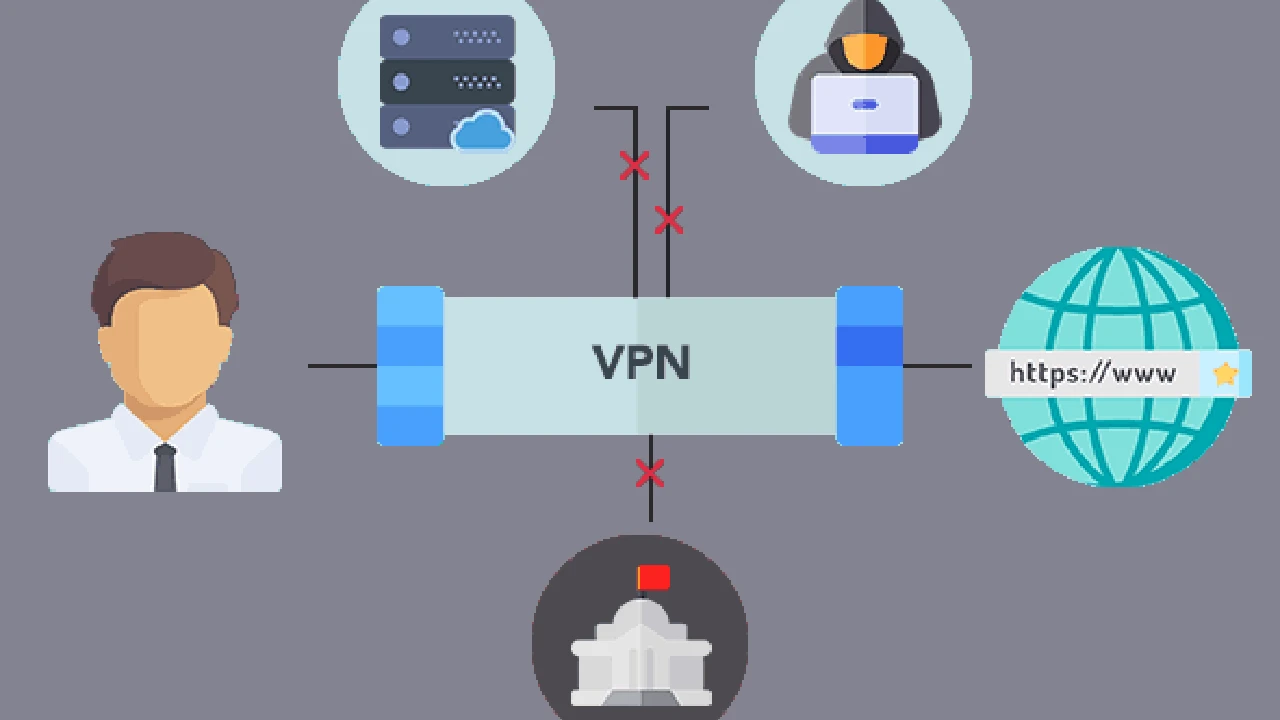
Before we get into the nitty-gritty of each protocol, let's clarify what a VPN protocol actually is. In simple terms, it's a set of instructions and encryption standards that your VPN client and server use to communicate with each other. It determines how your data is packaged, encrypted, and sent through the secure tunnel. Without these protocols, your VPN wouldn't know how to protect your data, and your connection wouldn't be private or secure. They're the backbone of your VPN's security. Why do they matter so much? Well, different protocols offer varying levels of security, speed, and stability. Some are super secure but might be a bit slower, while others prioritize speed but might have a slightly different security profile. Understanding these differences helps you make an informed choice, ensuring your online activities are as protected as possible.
OpenVPN The Gold Standard for VPN Security and Flexibility
Let's kick things off with OpenVPN. If you've been using VPNs for a while, you've definitely heard of this one. OpenVPN is often considered the gold standard in the VPN world, and for good reason. It's an open-source protocol, which means its code is publicly available for anyone to inspect, audit, and improve. This transparency is a huge plus for security, as vulnerabilities are quickly identified and patched by a global community of experts. It's like having millions of eyes constantly checking for flaws, making it incredibly robust and trustworthy.
How OpenVPN Works and Its Encryption Strengths
OpenVPN uses the OpenSSL library for encryption, which supports a wide range of strong cryptographic algorithms, most commonly AES-256. AES-256 is the same encryption standard used by governments and militaries worldwide, so you know your data is in good hands. It can run over both TCP (Transmission Control Protocol) and UDP (User Datagram Protocol). TCP is more reliable because it ensures all data packets arrive in order, but it can be slower. UDP, on the other hand, is faster because it doesn't prioritize order, making it great for streaming and gaming, though it might occasionally drop a packet. The flexibility to choose between TCP and UDP is a major advantage of OpenVPN, allowing you to balance speed and reliability based on your activity.
OpenVPN Use Cases and Performance Considerations
OpenVPN is incredibly versatile. It's excellent for general browsing, secure file transfers, and anything where robust security is your top priority. Because of its strong encryption and open-source nature, it's highly recommended for users who need maximum privacy and security, especially in regions with strict internet censorship or surveillance. However, its extensive encryption and overhead can sometimes make it a bit slower than newer, leaner protocols. While modern CPUs handle encryption efficiently, older devices or slower internet connections might notice a slight performance dip. Still, for most users, the security benefits far outweigh any minor speed trade-offs.
Recommended VPNs Utilizing OpenVPN for Maximum Security
Many top-tier VPN providers offer OpenVPN as their primary protocol. Here are a few that excel:
- ExpressVPN: While they have their own Lightway protocol, ExpressVPN still offers OpenVPN and implements it flawlessly. Their network is optimized for speed, so you get the best of both worlds: strong security and decent performance. A 12-month plan typically costs around $6.67/month.
- NordVPN: NordVPN is another strong contender, offering OpenVPN alongside their custom NordLynx (based on WireGuard). They provide excellent security features and a vast server network. Expect to pay around $3.79/month for a 2-year plan.
- Proton VPN: Known for its strong privacy stance and commitment to security, Proton VPN heavily relies on OpenVPN. They offer a free tier and paid plans starting around $4.99/month for a 2-year subscription, focusing on transparency and audited security.
WireGuard The Future of VPN Protocols Speed and Efficiency
Next up, let's talk about WireGuard. This is the new kid on the block, but it's quickly gaining popularity and for good reason. WireGuard is designed to be incredibly simple, fast, and efficient. It aims to be a modern, high-performance VPN tunnel that's easy to deploy and manage. Its codebase is significantly smaller than OpenVPN's, which makes it easier to audit and less prone to bugs. This simplicity is a huge part of its appeal.
How WireGuard Works and Its Cryptographic Innovations
WireGuard uses a state-of-the-art cryptographic suite, including ChaCha20 for symmetric encryption, Poly1305 for authentication, Curve25519 for elliptic-curve Diffie-Hellman key exchange, and BLAKE2s for hashing. These are all modern, highly efficient algorithms. One of WireGuard's key innovations is its use of a fixed set of cryptographic primitives, which simplifies implementation and reduces the attack surface. It operates at the kernel level, which contributes to its impressive speed and efficiency. Unlike OpenVPN, which can run over TCP or UDP, WireGuard primarily uses UDP, which is inherently faster.
WireGuard Performance Advantages and Ideal Scenarios
The biggest selling point of WireGuard is its speed. It's often significantly faster than OpenVPN, sometimes by a factor of two or three, especially on mobile devices or when switching networks. This makes it ideal for activities where speed is crucial, such as 4K streaming, online gaming, and large file downloads. Its lightweight nature also means it consumes less battery on mobile devices, which is a huge plus for users on the go. If you're constantly moving between Wi-Fi networks or using your VPN on your phone, WireGuard will provide a much smoother experience. It's also great for users in Southeast Asia where internet speeds can vary, as its efficiency helps maintain a stable connection.
Leading VPNs Implementing WireGuard for Enhanced Performance
Many VPN providers are now integrating WireGuard or their own custom versions of it:
- NordVPN (NordLynx): NordVPN developed NordLynx, which is built around WireGuard. They added a double NAT system to address WireGuard's privacy concerns regarding static IP addresses, making it a very secure and fast option. A 2-year plan is often around $3.79/month.
- Surfshark: Surfshark also offers WireGuard, providing excellent speeds and security across its network. They are known for unlimited simultaneous connections, making them great value. Plans typically start around $2.49/month for a 2-year subscription.
- Private Internet Access (PIA): PIA was one of the early adopters of WireGuard and offers it across all its platforms. They are known for their strong privacy features and extensive server network. A 2-year plan often costs around $2.19/month.
IKEv2 IPsec A Balance of Speed and Stability for Mobile Users
Finally, let's talk about IKEv2 (Internet Key Exchange version 2), often paired with IPsec (Internet Protocol Security). This protocol combination is a strong contender, especially for mobile users. IKEv2/IPsec is known for its stability and ability to quickly re-establish connections, which is incredibly useful when you're switching between Wi-Fi and cellular data, or moving between different networks.
How IKEv2 IPsec Functions and Its Robustness
IKEv2 is responsible for managing the security associations and key exchanges, while IPsec handles the actual encryption and authentication of data packets. It supports strong encryption algorithms like AES-256, ChaCha20, and 3DES (though 3DES is less common now). One of its standout features is its 'MOBIKE' (Mobility and Multihoming Protocol) support, which allows it to seamlessly transition between different network connections without dropping the VPN tunnel. This is why it's so popular for mobile devices.
IKEv2 IPsec Advantages for Mobile and Network Switching
The primary advantage of IKEv2/IPsec is its stability and speed, particularly on mobile devices. If you're commuting, traveling, or just moving around your house and switching between Wi-Fi networks, IKEv2 will maintain your VPN connection much more reliably than other protocols. It's also generally faster than OpenVPN, though usually not as fast as WireGuard. It's a great all-rounder, offering a good balance of security, speed, and reliability. For users in the USA and Southeast Asia who are often on the go, this protocol can provide a very smooth and secure experience.
Top VPNs Offering IKEv2 IPsec for Reliable Connections
Many VPN providers offer IKEv2/IPsec, often as a default for mobile apps:
- ExpressVPN: ExpressVPN offers IKEv2/IPsec and it's often the default for their iOS and macOS apps due to its excellent performance and stability on Apple devices. Their 12-month plan is typically around $6.67/month.
- CyberGhost: CyberGhost provides IKEv2/IPsec, especially on their mobile applications, ensuring a stable and secure connection for users on the move. A 2-year plan often costs around $2.19/month.
- StrongVPN: As its name suggests, StrongVPN focuses on robust security and offers IKEv2/IPsec as a reliable option across its platforms. Their plans start around $3.33/month for a 1-year subscription.
Other VPN Protocols Worth Knowing About L2TP SSTP PPTP
While OpenVPN, WireGuard, and IKEv2 are the main players you'll encounter and should prioritize, it's worth briefly mentioning a few other protocols you might come across. These are generally older or have specific niche uses, and often come with security caveats.
L2TP IPsec Layer 2 Tunneling Protocol with IPsec
L2TP (Layer 2 Tunneling Protocol) is often paired with IPsec for encryption. While it offers decent security when combined with strong IPsec encryption, L2TP itself doesn't provide encryption. It's also known to be slower than OpenVPN or IKEv2 because it encapsulates data twice. There have also been some concerns about potential NSA interference with L2TP/IPsec. Generally, it's not recommended as a primary protocol if OpenVPN or WireGuard are available, but it can be useful for bypassing certain firewalls.
SSTP Secure Socket Tunneling Protocol
SSTP (Secure Socket Tunneling Protocol) is a Microsoft-developed protocol that uses SSL/TLS for encryption. It's often praised for its ability to bypass firewalls, as it uses port 443, which is typically open for HTTPS traffic. While it offers good security, its proprietary nature (being developed by Microsoft) means it's not open-source, which can be a concern for some privacy advocates who prefer the transparency of OpenVPN. It's generally slower than OpenVPN and IKEv2.
PPTP Point-to-Point Tunneling Protocol
PPTP (Point-to-Point Tunneling Protocol) is one of the oldest VPN protocols. While it's very fast because it has minimal encryption overhead, it's also considered highly insecure. Its encryption has been compromised multiple times, and it's easily crackable. You should avoid using PPTP for any activity where security or privacy is a concern. It's only mentioned here for historical context and to advise against its use.
Choosing the Right VPN Protocol for Your Needs A Practical Guide
So, with all this information, how do you choose the right protocol? It really boils down to your priorities and what you're using your VPN for. There's no single 'best' protocol for everyone, but there are optimal choices for different scenarios.
Prioritizing Security and Privacy OpenVPN is Your Go-To
If your absolute top priority is security and privacy, especially if you're dealing with sensitive information or operating in a high-surveillance environment, OpenVPN is generally your best bet. Its open-source nature, rigorous auditing, and strong encryption make it incredibly reliable. While it might not be the fastest, the peace of mind it offers is invaluable. Many VPNs allow you to manually select OpenVPN (TCP or UDP) in their settings. For example, if you're using Proton VPN, you can easily switch to OpenVPN in their app settings to ensure maximum security.
Maximizing Speed and Performance WireGuard is the Champion
For those who prioritize speed and efficiency, whether it's for 4K streaming, online gaming, or just general fast browsing, WireGuard is the clear winner. Its modern cryptographic suite and lean codebase deliver impressive performance without sacrificing security. If your VPN offers WireGuard (or a custom implementation like NordLynx), it's usually the best choice for speed. NordVPN with its NordLynx protocol is a prime example of a VPN that leverages WireGuard for superior speed, making it perfect for streaming geo-restricted content in the USA or enjoying lag-free gaming in Southeast Asia.
Ensuring Stability on Mobile Devices IKEv2 is Your Friend
If you're a mobile user constantly on the move, switching between Wi-Fi networks and cellular data, IKEv2/IPsec offers unparalleled stability. Its ability to seamlessly re-establish connections means your VPN tunnel stays intact, providing continuous protection. Many VPN apps default to IKEv2 on mobile for this very reason. ExpressVPN's mobile apps often use IKEv2/IPsec by default, providing a smooth and reliable experience for users who are always connected on their smartphones or tablets.
Balancing All Factors The Versatility of Modern VPNs
Many modern VPNs offer a selection of these protocols, allowing you to switch between them based on your current needs. For instance, you might use WireGuard for streaming and then switch to OpenVPN for more sensitive tasks. Some VPNs even have 'automatic' protocol selection, where the app tries to pick the best protocol for your network conditions. It's always a good idea to experiment with the different protocols your VPN offers to see which one performs best for you in various situations.
The Importance of VPN Protocol Updates and Audits
It's not enough to just pick a good protocol; staying updated is crucial. The world of cybersecurity is constantly evolving, with new threats and vulnerabilities emerging regularly. Reputable VPN providers continuously update their protocol implementations to incorporate the latest security patches and improvements. This is especially true for open-source protocols like OpenVPN and WireGuard, where the community actively contributes to their development and security. Regular independent security audits of these protocols and their implementations by VPN providers also add another layer of trust and verification. Always choose a VPN provider that is transparent about its security practices and undergoes regular audits.
Final Thoughts on VPN Protocols for Your Online Safety
Understanding VPN protocols might seem a bit technical, but it's a fundamental aspect of choosing and using a VPN effectively. OpenVPN offers robust, audited security; WireGuard delivers blazing-fast speeds and efficiency; and IKEv2 provides excellent stability, especially for mobile users. By knowing the strengths and weaknesses of each, you can make an informed decision that best suits your online activities and security posture. Don't just blindly trust your VPN; understand how it protects you. Stay safe out there!
:max_bytes(150000):strip_icc()/277019-baked-pork-chops-with-cream-of-mushroom-soup-DDMFS-beauty-4x3-BG-7505-5762b731cf30447d9cbbbbbf387beafa.jpg)