Understanding VPN Audits and Their Role in Privacy Assurance
Learn about independent VPN audits and why they are crucial for verifying a VPN's no-log policy and security claims for true privacy assurance.
Learn about independent VPN audits and why they are crucial for verifying a VPN's no-log policy and security claims for true privacy assurance.
Understanding VPN Audits and Their Role in Privacy Assurance
Hey there, privacy seekers! Ever wondered how you can truly trust a VPN provider when they promise 'no logs' and 'military-grade encryption'? It's a fair question, especially with so many VPNs out there making big claims. That's where independent VPN audits come into play. Think of them as a trusted third party peeking under the hood of your chosen VPN to make sure everything is as advertised. It's not just about fancy marketing; it's about verifiable proof that your online activities are genuinely private and secure. Let's dive deep into what these audits are, why they matter, and which VPNs are leading the charge in transparency.
What Exactly Are Independent VPN Audits and Why Are They Important for Your Privacy
So, what's the big deal with these audits? Simply put, an independent VPN audit is when a reputable, third-party cybersecurity firm examines a VPN provider's infrastructure, policies, and systems. This isn't just a quick glance; it's a thorough, in-depth investigation. They're looking for vulnerabilities, checking if the 'no-logs' policy is actually being followed, and verifying the strength of their encryption and security protocols. It's like having an independent inspector check a house before you buy it – they're there to ensure everything is up to code and safe.
Why is this so crucial for your privacy? Well, a VPN's primary job is to protect your data and hide your online activities. If they're secretly logging your data, or if their security has holes, then your privacy is compromised, regardless of what they claim. Audits provide an unbiased, expert opinion, giving you peace of mind that your VPN isn't just talking the talk, but walking the walk when it comes to protecting your digital footprint. Without these audits, you're essentially taking the VPN provider's word for it, which, let's be honest, isn't always the safest bet in the digital world.
Types of VPN Audits Exploring No-Log Policy Audits and Security Audits
When we talk about VPN audits, there are generally two main types that are super important for users:
No-Log Policy Audits Verifying Your Anonymity
This is probably the most talked-about type of audit. A 'no-log' policy means the VPN provider doesn't store any information about your online activities – no browsing history, no IP addresses, no connection timestamps, nothing that could identify you. A no-log audit specifically examines the VPN's servers, databases, and internal systems to confirm that they are indeed not collecting or storing any user data. This is a huge deal because if a VPN keeps logs, that data could potentially be accessed by authorities, hackers, or even sold to third parties. An independent audit provides concrete evidence that the VPN's no-log claims are legitimate, ensuring your anonymity remains intact.
Security Audits Ensuring Robust Protection and Data Integrity
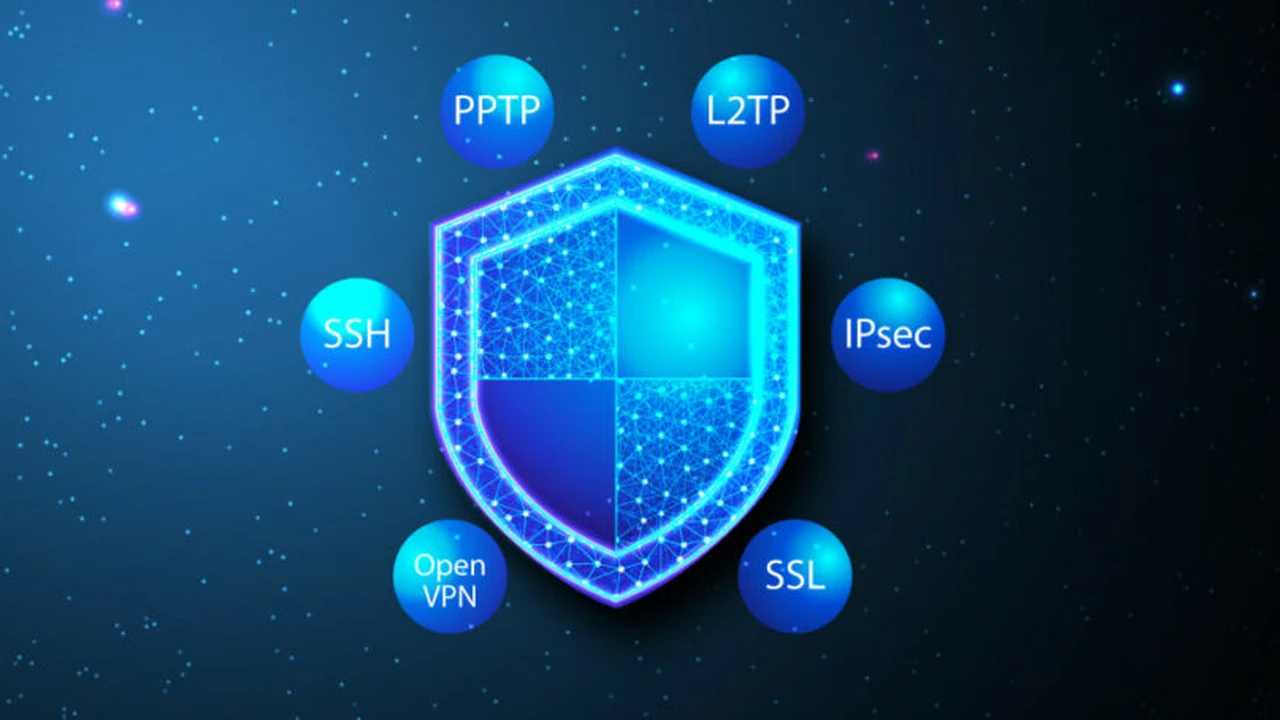
Beyond just not logging your data, a VPN needs to be secure. Security audits delve into the technical aspects of the VPN service. This includes scrutinizing their encryption standards (like AES-256), checking for vulnerabilities in their software and server infrastructure, and evaluating their implementation of VPN protocols (OpenVPN, WireGuard, IKEv2). They'll look for things like DNS leaks, IP leaks, and WebRTC leaks, which could inadvertently expose your real identity or online activities. A comprehensive security audit ensures that the VPN's technology is robust enough to withstand cyber threats and protect your data from interception.
Leading the Charge VPN Providers with Verified Audits and Transparency
Not all VPNs undergo independent audits, and those that do often stand out from the crowd. Here are some of the top players that have committed to transparency through regular, independent audits, making them excellent choices for privacy-conscious users:
ExpressVPN A Pioneer in Independent Security and No-Log Audits
ExpressVPN has been a long-time advocate for transparency. They were one of the first major VPNs to undergo a public audit of their no-log policy. In 2019, PwC (PricewaterhouseCoopers) audited their TrustedServer technology (their RAM-only servers) and their no-log policy, confirming that their claims were accurate. This was a huge step for the industry. More recently, in 2022, Cure53 conducted a comprehensive security audit of their Lightway protocol, finding no critical vulnerabilities. This commitment to ongoing audits makes ExpressVPN a highly trusted choice. Their pricing typically starts around $6.67/month for a 12-month plan, offering excellent value for their audited security and speed. They're great for streaming, torrenting, and general browsing, especially if you're in the USA or Southeast Asia, thanks to their vast server network.
NordVPN Multiple Audits for Enhanced Trust and Security
NordVPN is another industry leader when it comes to audits. They've had their no-log policy audited multiple times by PwC, with the latest audit in 2022 confirming their strict no-logging practices. Additionally, VerSprite, a cybersecurity consulting firm, conducted an application security audit of NordVPN's apps in 2019, identifying and helping to fix minor vulnerabilities, showcasing their commitment to continuous improvement. This multi-layered auditing approach gives users a lot of confidence. NordVPN's pricing is often competitive, with long-term plans starting from around $3.29/month for a 2-year subscription. They're fantastic for robust security, unblocking geo-restricted content, and have a massive server network that serves both the USA and Southeast Asia well.
Surfshark A Budget-Friendly Option with Audited No-Log Policy
Surfshark has quickly risen as a strong contender, especially for those looking for a more budget-friendly option without sacrificing security. They've also undergone an independent audit of their no-log policy by Cure53 in 2021, which confirmed their adherence to their privacy claims. While their audit history isn't as extensive as ExpressVPN or NordVPN, their commitment to a no-log audit is a significant step. Surfshark is known for its unlimited simultaneous connections, making it a great value for families or individuals with many devices. Their pricing can be as low as $2.49/month for a 2-year plan. They're excellent for general browsing, streaming, and securing multiple devices, with good server coverage in both target regions.
Private Internet Access PIA Audited Open-Source Software and No-Logs
Private Internet Access (PIA) stands out for its commitment to open-source software, which allows anyone to inspect their code. Beyond that, PIA has had its no-log policy validated in court multiple times, where authorities requested user data and PIA had nothing to provide. More formally, Deloitte conducted an independent audit of PIA's no-log policy in 2022, confirming that their servers do not store any identifiable user data. This combination of open-source transparency and third-party audits makes PIA a very trustworthy choice. Their pricing is also very competitive, often starting around $2.03/month for a 3-year plan. PIA is a solid choice for advanced users who appreciate granular control and strong privacy features, with a huge server network globally.
Proton VPN Swiss-Based and Audited for Maximum Privacy
Proton VPN, based in Switzerland (known for its strong privacy laws), has also embraced independent audits. They've had their no-log policy audited by SEC Consult, confirming their commitment to not storing user data. Furthermore, their apps are open-source and have been audited by independent security experts, with the reports publicly available. This level of transparency, combined with their strong legal jurisdiction, makes Proton VPN a top pick for privacy. Their pricing starts from around $4.99/month for a 2-year plan, and they also offer a decent free version. Proton VPN is ideal for those prioritizing maximum privacy and security, especially journalists and activists, with good performance in both the USA and Southeast Asia.
The Audit Process What Happens During a VPN Audit
Ever wondered what actually goes down during one of these audits? It's not just a rubber stamp! Here's a simplified look at the typical audit process:
- Initial Engagement: The VPN provider hires an independent cybersecurity firm. It's crucial that this firm is truly independent and has a strong reputation.
- Scope Definition: The VPN and the auditing firm agree on what will be audited. This could be the no-log policy, specific software components, server infrastructure, or a combination.
- Documentation Review: Auditors start by reviewing all relevant documentation, including privacy policies, internal procedures, network diagrams, and codebases.
- Technical Analysis: This is where the deep dive happens. Auditors will often get direct access to the VPN's servers, network configurations, and even source code. They'll perform penetration testing, vulnerability assessments, and configuration reviews.
- Log Policy Verification: For no-log audits, they'll specifically look for any evidence of data collection or storage that contradicts the VPN's policy. This might involve examining server images, database configurations, and network traffic patterns.
- Reporting: After their investigation, the auditing firm compiles a detailed report. This report outlines their findings, any vulnerabilities discovered, and recommendations for improvement.
- Remediation and Re-audit (if necessary): If vulnerabilities are found, the VPN provider works to fix them. Sometimes, a follow-up audit or re-assessment is conducted to ensure the fixes are effective.
- Public Disclosure: The most transparent VPNs will then publish a summary or the full audit report on their website, allowing users to see the results for themselves.
Beyond Audits What Else to Look for in a Privacy-Focused VPN
While independent audits are a gold standard for verifying a VPN's claims, they're not the only factor to consider. Here are a few other things to keep an eye on when choosing a privacy-focused VPN:
Jurisdiction and Legal Framework for Data Protection
Where a VPN company is based matters a lot. Countries with strong privacy laws and no mandatory data retention laws (like Switzerland, Panama, or the British Virgin Islands) are generally preferred. Avoid VPNs based in 5 Eyes, 9 Eyes, or 14 Eyes alliance countries, as these nations have agreements to share intelligence, which could potentially impact your privacy.
RAM-Only Servers Enhanced Security and No Persistent Data
Many top-tier VPNs are now moving to RAM-only servers (also known as 'diskless' or 'TrustedServer' technology). This means their servers run entirely on volatile memory (RAM) and don't store any data on hard drives. Every time the server reboots, all data is wiped clean. This significantly reduces the risk of data being seized or compromised, even if a server is physically accessed. It's a huge win for privacy and security.
Open-Source Software Transparency and Community Scrutiny
VPNs that make their client software open-source allow anyone to inspect their code for vulnerabilities or malicious elements. This community scrutiny adds another layer of trust and transparency. While not all VPNs are fully open-source, those that are (like Proton VPN and Private Internet Access) demonstrate a strong commitment to user privacy.
Strong Encryption and Modern Protocols The Foundation of Security
Always ensure your chosen VPN uses strong encryption, ideally AES-256, which is considered military-grade. Also, look for support for modern, secure, and fast protocols like WireGuard and OpenVPN. Avoid older, less secure protocols like PPTP. The protocol you use directly impacts both your security and your speed.
Kill Switch and DNS Leak Protection Essential Safeguards
A kill switch is a non-negotiable feature for privacy. It automatically disconnects your internet if your VPN connection drops, preventing your real IP address or unencrypted data from being exposed. DNS leak protection ensures that your DNS requests (which translate website names into IP addresses) are routed through the VPN's secure DNS servers, preventing your ISP from seeing your browsing activity.
Payment Options Anonymity in Transactions
For ultimate anonymity, consider VPNs that accept privacy-friendly payment methods like cryptocurrency (Bitcoin, Ethereum, etc.) or even cash. This helps to decouple your real-world identity from your VPN subscription.
The Future of VPN Audits Continuous Verification and User Trust
The trend towards independent VPN audits is a positive one for consumers. As the digital landscape evolves and privacy concerns grow, we can expect more VPN providers to embrace this level of transparency. Regular, ongoing audits will become the norm, rather than the exception, further solidifying user trust in VPN services. It's a continuous process of verification, ensuring that VPNs remain true to their promises of protecting your online privacy and security. So, when you're choosing your next VPN, make sure to check their audit reports – it's one of the best ways to ensure you're getting the real deal when it comes to privacy assurance.
:max_bytes(150000):strip_icc()/277019-baked-pork-chops-with-cream-of-mushroom-soup-DDMFS-beauty-4x3-BG-7505-5762b731cf30447d9cbbbbbf387beafa.jpg)