How to Choose a Privacy-Focused VPN A Step-by-Step Guide
A practical guide to selecting a VPN that prioritizes your privacy. Learn about key criteria, independent audits, and customer reviews.

A practical guide to selecting a VPN that prioritizes your privacy. Learn about key criteria, independent audits, and customer reviews.
How to Choose a Privacy-Focused VPN A Step-by-Step Guide
In today's digital age, online privacy is more elusive than ever. From government surveillance to data breaches and targeted advertising, it feels like someone is always watching. This is where a Virtual Private Network (VPN) comes in. A VPN encrypts your internet connection and routes it through a server in a location of your choice, effectively masking your IP address and protecting your online activities from prying eyes. But with hundreds of VPN providers out there, how do you choose one that truly prioritizes your privacy? This comprehensive guide will walk you through the essential steps and considerations to make an informed decision.
Understanding the Core of Privacy What Makes a VPN Private
Before diving into specific recommendations, it's crucial to understand what makes a VPN 'privacy-focused.' It's not just about encryption; it's a combination of factors that work together to ensure your anonymity and data security. Here are the key elements:
No-Logs Policy The Foundation of VPN Privacy
The most critical aspect of a privacy-focused VPN is a strict no-logs policy. This means the VPN provider does not record any information about your online activities, such as your browsing history, connection timestamps, IP addresses, or bandwidth usage. If a VPN logs your data, it can potentially be compelled to hand it over to authorities, compromising your privacy. Look for VPNs that explicitly state their no-logs policy and, even better, have had it independently audited.
Jurisdiction Where the VPN is Based Matters for Privacy
The country where a VPN company is legally registered plays a significant role in its ability to protect your privacy. Some countries have strict data retention laws or are part of intelligence-sharing alliances (like the 5 Eyes, 9 Eyes, and 14 Eyes alliances). VPNs based in privacy-friendly jurisdictions, such as Panama, the British Virgin Islands, or Switzerland, are generally preferred as they are less likely to be compelled to log or share user data.
Strong Encryption and Security Protocols Protecting Your Data
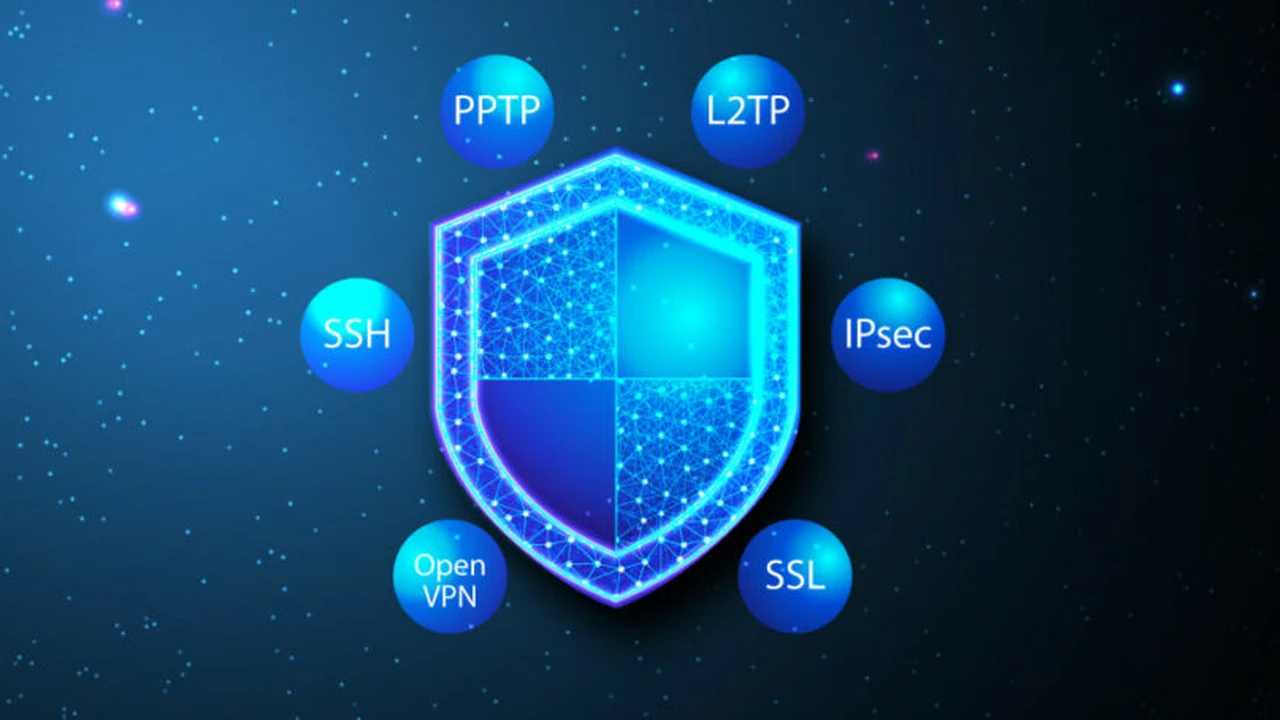
A privacy-focused VPN must employ robust encryption standards. AES-256 encryption, often referred to as 'military-grade,' is the industry standard. Beyond encryption, the VPN should support secure protocols like OpenVPN, WireGuard, and IKEv2/IPsec. Avoid VPNs that rely solely on older, less secure protocols like PPTP or L2TP/IPsec without additional encryption.
Advanced Privacy Features Beyond Basic Encryption
Look for additional features that enhance privacy, such as a kill switch, DNS leak protection, and obfuscated servers. A kill switch automatically disconnects your internet if the VPN connection drops, preventing your real IP address from being exposed. DNS leak protection ensures your DNS requests are routed through the VPN, preventing your ISP from seeing your browsing activity. Obfuscated servers can make your VPN traffic appear as regular internet traffic, useful in regions with strict internet censorship.
Step-by-Step Guide to Choosing Your Privacy VPN
Now that you understand the core components, let's break down the selection process into actionable steps.
Step 1 Assess Your Personal Privacy Needs and Usage Scenarios
Before you start comparing VPNs, consider why you need one. Are you primarily concerned about government surveillance, protecting your data on public Wi-Fi, bypassing geo-restrictions, or ensuring anonymity for sensitive online activities? Your specific needs will influence which features are most important to you.
- Casual Browsing and Public Wi-Fi: Almost any reputable VPN with strong encryption will suffice.
- Torrenting and P2P: Look for VPNs with P2P-optimized servers, a kill switch, and a strict no-logs policy.
- Bypassing Censorship: Obfuscated servers and a wide server network are crucial.
- High-Security Needs (Journalists, Activists): Focus on audited no-logs policies, privacy-friendly jurisdictions, and advanced features like multi-hop VPN.
Step 2 Research VPN Providers and Their Privacy Policies
This is where the real work begins. Don't just take a VPN's marketing claims at face value. Dig into their privacy policy and terms of service. Look for clear statements about data logging, data retention, and how they handle requests from authorities.
- Read the Fine Print: Many VPNs claim 'no logs,' but their policies might reveal otherwise. Be wary of vague language.
- Independent Audits: Prioritize VPNs that have undergone independent security and no-logs audits by reputable third parties. This provides verifiable proof of their claims.
- Transparency Reports: Some VPNs publish transparency reports detailing requests for user data they've received and how they responded (ideally, by having no data to provide).
Step 3 Evaluate Security Features and Protocols for Robust Protection
As discussed, strong encryption and secure protocols are non-negotiable. Ensure the VPN offers:
- AES-256 Encryption: The gold standard.
- Modern Protocols: OpenVPN, WireGuard, IKEv2/IPsec.
- Kill Switch: Essential for preventing accidental data leaks.
- DNS Leak Protection: To keep your browsing private from your ISP.
- IPv6 Leak Protection: Another potential vulnerability to guard against.
- Obfuscation: If you need to bypass strict firewalls.
Step 4 Consider the VPN's Server Network and Performance for Speed and Access
While privacy is paramount, a VPN that's too slow or can't access the content you need isn't practical. A large and geographically diverse server network can offer better speeds and more options for bypassing geo-restrictions. Look for:
- Server Count and Locations: More servers generally mean less congestion and better speeds. A wide distribution helps with accessing content from various regions.
- Speed Tests: While individual results vary, look for VPNs consistently ranked high in speed tests. Many VPN review sites conduct regular speed comparisons.
- Bandwidth Limits: Ensure there are no bandwidth caps, especially if you plan to stream or download heavily.
Step 5 Check for Device Compatibility and User-Friendliness Across Platforms
A great privacy VPN should be easy to use across all your devices. Check for:
- Dedicated Apps: Look for intuitive apps for Windows, macOS, Android, iOS, and Linux.
- Simultaneous Connections: How many devices can you connect at once with a single subscription?
- Router Support: If you want to protect all devices on your home network, router compatibility is key.
- Browser Extensions: While not a full VPN, extensions can be convenient for quick browser-level protection.
Step 6 Read Customer Reviews and Expert Opinions for Real-World Insights
While marketing materials and technical specifications are important, real-world user experiences and expert reviews can offer valuable insights. Look for:
- Reputable Review Sites: Consult well-known VPN review websites that conduct thorough testing.
- User Forums and Communities: See what actual users are saying about a VPN's performance, customer support, and privacy practices.
- Customer Support: Test their customer support before committing. A responsive and knowledgeable support team is invaluable if you encounter issues.
Step 7 Evaluate Pricing and Money-Back Guarantees for Value and Risk-Free Trials
Privacy comes at a cost, but it doesn't have to break the bank. Compare pricing plans, look for long-term discounts, and always check for a money-back guarantee. This allows you to test the VPN risk-free.
- Subscription Lengths: Longer subscriptions often offer better monthly rates.
- Money-Back Guarantee: A 30-day or even 45-day money-back guarantee is standard and allows you to thoroughly test the service.
- Free Trials: Some VPNs offer limited free trials, which can be a good way to test basic functionality.
Recommended Privacy-Focused VPNs A Comparative Look
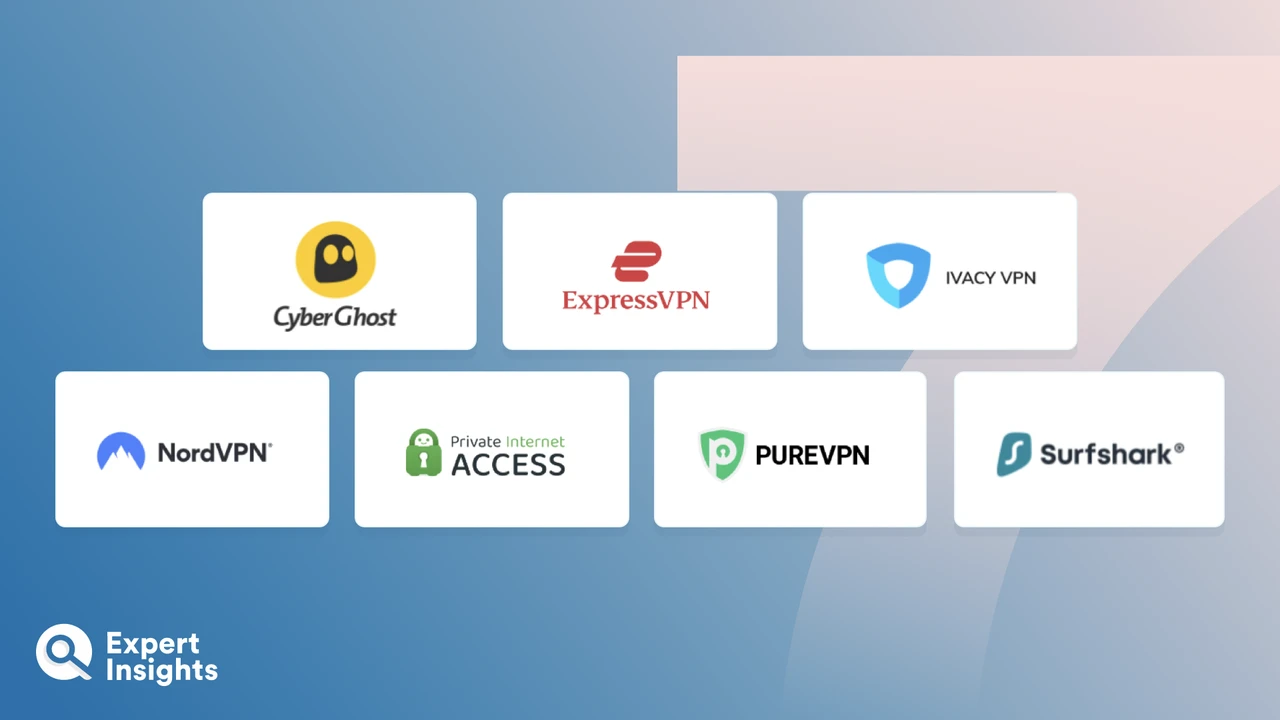
Based on the criteria above, here are a few top-tier VPNs that consistently rank high for privacy, security, and performance. Remember, the 'best' VPN often depends on your specific needs, but these are excellent starting points.
ExpressVPN A Premium Choice for Privacy and Speed
Key Features for Privacy: ExpressVPN is based in the British Virgin Islands, a privacy-friendly jurisdiction with no data retention laws. They boast a strict, independently audited no-logs policy. Their TrustedServer technology ensures that all servers run on RAM, wiping all data with every reboot, adding an extra layer of privacy. It uses AES-256 encryption and supports OpenVPN, IKEv2, and their proprietary Lightway protocol, which is open-source and optimized for speed and security. It includes a reliable kill switch and DNS leak protection.
Usage Scenarios: Excellent for general browsing, streaming (Netflix, Hulu, etc.), torrenting, and bypassing censorship due to its vast server network (3000+ servers in 105 countries) and obfuscation capabilities. Its speed makes it ideal for users in both the USA and Southeast Asia who need reliable, fast connections.
Pricing: ExpressVPN is on the higher end of the price spectrum, typically starting around $6.67/month for a 12-month plan (which includes 3 extra months free). They offer a 30-day money-back guarantee. While pricier, its consistent performance, strong privacy features, and excellent customer support often justify the cost for users prioritizing privacy and reliability.
NordVPN Robust Security and Advanced Privacy Features
Key Features for Privacy: NordVPN is based in Panama, another privacy-friendly country. They have a strict no-logs policy that has been independently audited multiple times. NordVPN offers AES-256 encryption and supports OpenVPN, IKEv2/IPsec, and their custom NordLynx protocol (built around WireGuard). It's renowned for its advanced features like Double VPN (multi-hop), Onion Over VPN, and CyberSec (ad and malware blocker), all contributing to enhanced privacy. It also includes a customizable kill switch and DNS leak protection.
Usage Scenarios: Ideal for users who need extra layers of security and anonymity, such as journalists or those in high-censorship regions. Its P2P-optimized servers make it a strong choice for torrenting. It also performs well for streaming and general browsing, with a large server network (6000+ servers in 61 countries) ensuring good speeds globally, including the USA and Southeast Asia.
Pricing: NordVPN offers competitive pricing, especially on longer-term plans. A 2-year plan can bring the cost down to around $3.79/month. They also provide a 30-day money-back guarantee. Their tiered plans (Standard, Plus, Complete) offer different bundles of features, allowing users to choose based on their needs and budget.
Surfshark Unlimited Devices and Strong Privacy at a Great Price
Key Features for Privacy: Surfshark is based in the Netherlands, which is part of the 9 Eyes alliance, but they maintain a strict, independently audited no-logs policy. They use AES-256 encryption and support OpenVPN, IKEv2, and WireGuard protocols. A standout feature is their 'CleanWeb' (ad, tracker, and malware blocker) and 'NoBorders' mode for bypassing censorship. They also offer a kill switch, DNS leak protection, and MultiHop (double VPN) for enhanced privacy. All their servers are RAM-only, similar to ExpressVPN's TrustedServer technology.
Usage Scenarios: An excellent choice for families or individuals with many devices, as it offers unlimited simultaneous connections. It's great for streaming, torrenting, and general privacy needs. Its global server network (3200+ servers in 100 countries) ensures good performance in the USA and Southeast Asia. The NoBorders mode is particularly useful for users in restrictive environments.
Pricing: Surfshark is one of the most budget-friendly premium VPNs, especially for longer subscriptions. A 2-year plan can cost as little as $2.29/month. They also offer a 30-day money-back guarantee. Its combination of strong features, unlimited connections, and low price makes it an exceptional value for privacy-conscious users.
Proton VPN Swiss Privacy and Open-Source Transparency
Key Features for Privacy: Proton VPN is based in Switzerland, a country known for its strong privacy laws and neutrality. They have a strict no-logs policy that has been independently audited. Proton VPN uses AES-256 encryption and supports OpenVPN, WireGuard, and IKEv2/IPsec. All their apps are open-source, meaning anyone can inspect their code for vulnerabilities, fostering transparency and trust. They offer 'Secure Core' servers (multi-hop through privacy-friendly countries), a kill switch, and DNS leak protection. They also have a free tier, though with limitations.
Usage Scenarios: Highly recommended for users who prioritize extreme privacy and transparency, such as journalists, activists, or anyone handling highly sensitive information. Its Secure Core servers provide an extra layer of protection. While its server network (4900+ servers in 91 countries) is extensive, speeds can sometimes be slightly lower than ExpressVPN or NordVPN, but still very good for most activities, including streaming and torrenting. Excellent for users in the USA and Southeast Asia seeking robust privacy.
Pricing: Proton VPN offers a free tier with limited features and servers. Paid plans start around $4.99/month for a 2-year plan, with higher tiers offering more features like Secure Core and higher speeds. They also provide a 30-day money-back guarantee. Its commitment to open-source and strong Swiss privacy laws makes it a compelling choice for those who value transparency and ultimate privacy.
Final Thoughts on Your Privacy VPN Selection
Choosing a privacy-focused VPN is a critical step towards reclaiming your online anonymity and securing your digital life. It's not a one-size-fits-all decision, so take the time to evaluate your needs, research providers thoroughly, and prioritize features that align with your privacy goals. Remember to look beyond marketing hype and focus on verifiable claims, independent audits, and a proven track record of protecting user privacy. By following this step-by-step guide, you'll be well-equipped to select a VPN that truly safeguards your online presence.
:max_bytes(150000):strip_icc()/277019-baked-pork-chops-with-cream-of-mushroom-soup-DDMFS-beauty-4x3-BG-7505-5762b731cf30447d9cbbbbbf387beafa.jpg)